Anticipating Veo 3.2: Rumors, Leaks, and What It Means for AI Video Generation
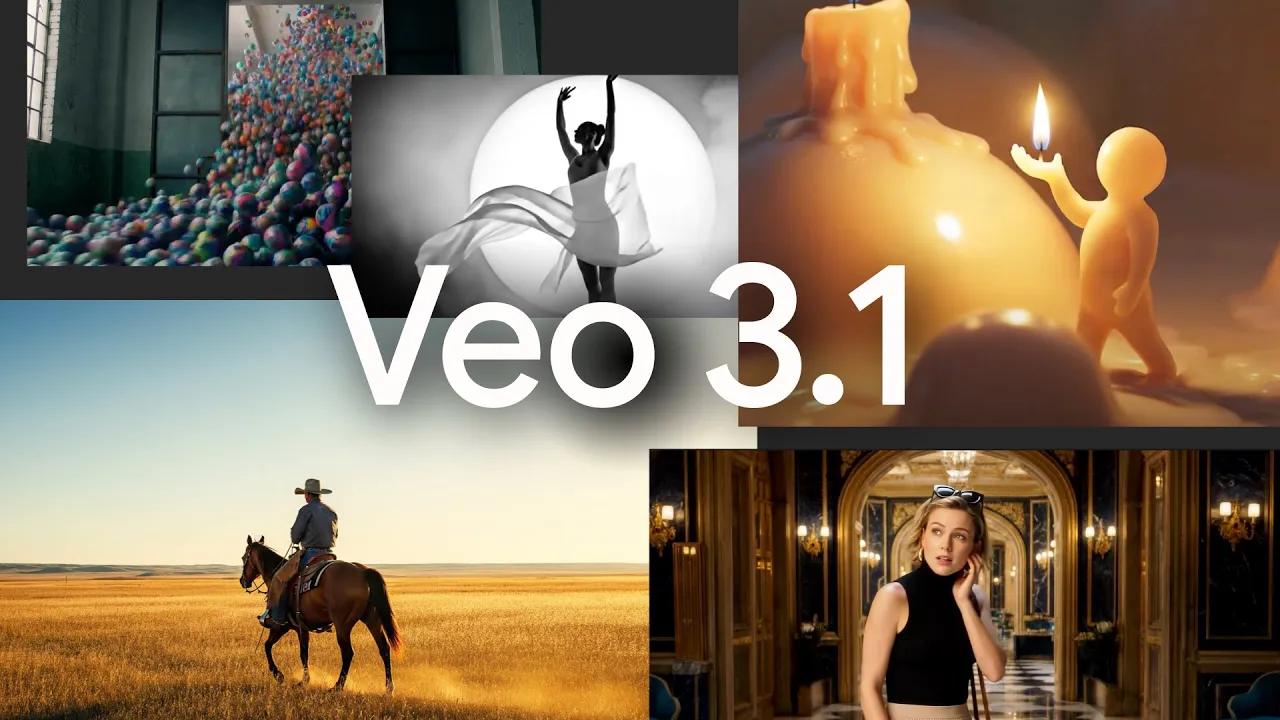
Rumors point to Google's Veo 3.2 video AI release soon. Discover leaks, codenames like Artemis, and expected upgrades building on Veo 3.1's latest features
Introduction
In the fast-evolving world of artificial intelligence, Google's Veo series has been a game-changer for video generation. From creating stunning visuals out of simple prompts to incorporating native audio and advanced controls, Veo has pushed the boundaries of what's possible in AI-driven content creation. As of January 2026, the buzz is all about Veo 3.2 – a potential upgrade that's generating excitement across tech forums, social media, and AI communities. While it's not officially released yet, leaks and speculations suggest it could drop soon, building on the solid foundation of Veo 3.1.
In this blog post, I'll dive into the current state of Veo, the rumors surrounding version 3.2, and what we might expect. Whether you're a content creator, developer, or just an AI enthusiast, this could signal the next big leap in generative video tech. For a quick demo of Veo's capabilities, check out this impressive video generation example here.
The Evolution of Veo: From 3.0 to 3.1
To understand the hype around Veo 3.2, let's recap where we stand. Veo 3, launched around May 2025, introduced native audio generation, allowing for seamless integration of dialogue, sound effects, and ambient noise into videos. This was a massive step up from earlier models, making AI videos feel more lifelike and immersive.
Fast forward to October 2025, and Veo 3.1 entered the scene with even more refinements. Available through tools like the Gemini app, Flow, YouTube Create/Shorts, Vertex AI, and the Gemini API, it brought features such as:
-
4K Upscaling and Resolution Enhancements: Base generations often start at 720p, but with built-in upscaling, users can achieve crisp 1080p or even 4K outputs. This has been a boon for professional creators needing high-quality footage.
-
Vertical Format Support: Optimized for 9:16 aspect ratios, perfect for mobile-first content like Instagram Reels or YouTube Shorts. This adaptation reflects the shift toward short-form video dominance in social media.
-
Improved "Ingredients to Video" Controls: This feature allows for better consistency in characters, objects, and movements. Even with basic prompts, you can blend elements expressively, reducing the need for complex engineering.
These updates were rolled out in phases, with the latest in mid-January 2026 focusing on audio improvements and mobile integration. If you're curious about how these work in practice, explore a sample Veo-generated clip right here to see the audio and visual synergy.
Rumors and Leaks: Is Veo 3.2 Imminent?
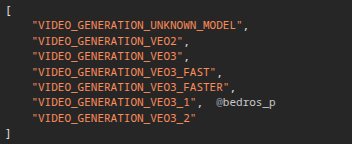
The AI community is abuzz with whispers of Veo 3.2. While Google DeepMind hasn't made an official announcement, evidence from various sources points to an upcoming release. Let's break down the key indicators:
Backend Codename Sightings
In late December 2025 and early January 2026, backend testing logs on platforms like Artificial Analysis revealed new model codenames: "Artemis," "Sicily," and "Sisyphus." These are often placeholders for iterative updates in Google's ecosystem. Analysts speculate that "Artemis" could be the core of Veo 3.2, given its association with advanced image-to-video pipelines.
Social Media Chatter on X (Formerly Twitter)
X has been a hotbed for leaks. Users like @kimmonismus and @BuildFastWithAI have posted threads hinting at "Veo 3.2 release imminently." One notable post shared an image-to-video example purportedly from the new model, showcasing unprecedented detail in dynamic scenes. Searches on X using queries like "(Veo 3.2 OR Artemis) filter:media since:2025-12-01" yield dozens of discussions, with some users claiming early access through API betas.
Forums like Reddit's r/MachineLearning and r/AI have echoed these sentiments, with threads compiling screenshots from Google's internal changelogs. While unverified, the consistency across sources suggests something's brewing. To visualize what these leaks might translate to, take a look at this conceptual Veo video demo over here.
Potential Features Based on Speculation
If Veo 3.2 builds on 3.1, we could see enhancements in areas like:
- Real-Time Generation: Reducing latency for live applications, such as interactive storytelling or virtual reality integrations.
- Multi-Modal Inputs: Deeper support for combining text, images, audio, and even sketches as "ingredients."
- Ethical Safeguards and Customization: Improved controls for bias mitigation and user-defined styles, addressing ongoing concerns in AI ethics.
- Expanded Accessibility: Broader rollout beyond paid previews, perhaps integrating more seamlessly with consumer tools like YouTube.
Of course, these are educated guesses drawn from patterns in Google's release history. The company often deploys updates quietly via APIs first, so developers might spot it in Vertex AI before a public blog post.
Implications for Creators and the AI Landscape
The anticipation for Veo 3.2 isn't just tech gossip; it has real-world implications. For content creators, an upgraded model could democratize high-end video production, making it easier to generate polished shorts or even full narratives without expensive equipment. Imagine scripting a scene with precise emotional cues and having AI handle the visuals and sound – that's the promise.
In the broader AI ecosystem, Veo 3.2 could intensify competition with rivals like OpenAI's Sora or Meta's Movie Gen. Google's focus on integration (e.g., with YouTube) gives it an edge in user-generated content platforms. However, challenges remain: ensuring outputs aren't misused for deepfakes or misinformation, and scaling compute resources sustainably.
As someone who's followed AI developments closely, I'm excited about the creative potential. If you're experimenting with video AI, try generating your own with tools inspired by Veo – start with this example linked here for inspiration.
Conclusion: Stay Tuned for the Reveal
While Veo 3.2 remains in the realm of rumors as of January 20, 2026, the signs are promising. From codename leaks to community speculation, it feels like we're on the cusp of another milestone in generative AI. In the meantime, Veo 3.1 offers plenty to explore, with its robust features keeping creators productive.
Keep an eye on Google's official channels for announcements – they could come any day. What are your thoughts on Veo 3.2? Share in the comments below, and let's discuss how it might shape the future of video creation.